Drones, terrorists, and pipelines: The high-stakes return of Algeria to the Sahel

Since early 2026, there’s been a noticeable thaw in relations between Algeria and the Alliance of Sahel States (AES). Relations between Algeria and members of the AES had been suspended in 2025 after a diplomatic fallout. However, in March-April 2026, diplomatic reconciliation with Niger was suddenly announced, followed by the official launch of the normalization process with Burkina Faso. On July 10-11, Mali and Algeria announced the reinstatement of ambassadors and the lifting of air travel restrictions.
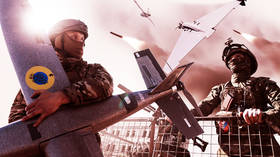
In April 2025, ties were severed following an incident involving the interception of a Malian drone by the Algerian armed forces near the shared border. All three AES member countries condemned the incident as a hostile act and recalled their ambassadors from Algeria. In response, Algeria also recalled its diplomatic representatives from Bamako, Niamey, and Ouagadougou for consultations. However, the roots of the disagreements run much deeper: The events of 2025 marked the culmination of tensions that had accumulated for several years.
The rapprochement of recent months paves the way for Algeria to regain its former influence in the region. For many years, Algeria has positioned itself as the main bulwark of stability as well as a mediator and a security buffer in the Sahel, leveraging its geographic proximity, shared ethnic ties with the peoples of the desert, and its experience in the long and bloody anti-colonial war and the fight against terrorism and migration crises.
Complex situation in the Sahel
The situation in the Sahel remains extremely fragile. Since 2020, a series of internal and terrorist uprisings and eight coups have occurred in the region. The presence of Islamic extremists on the borders with Mali and Niger poses a direct threat to Algeria’s national security.
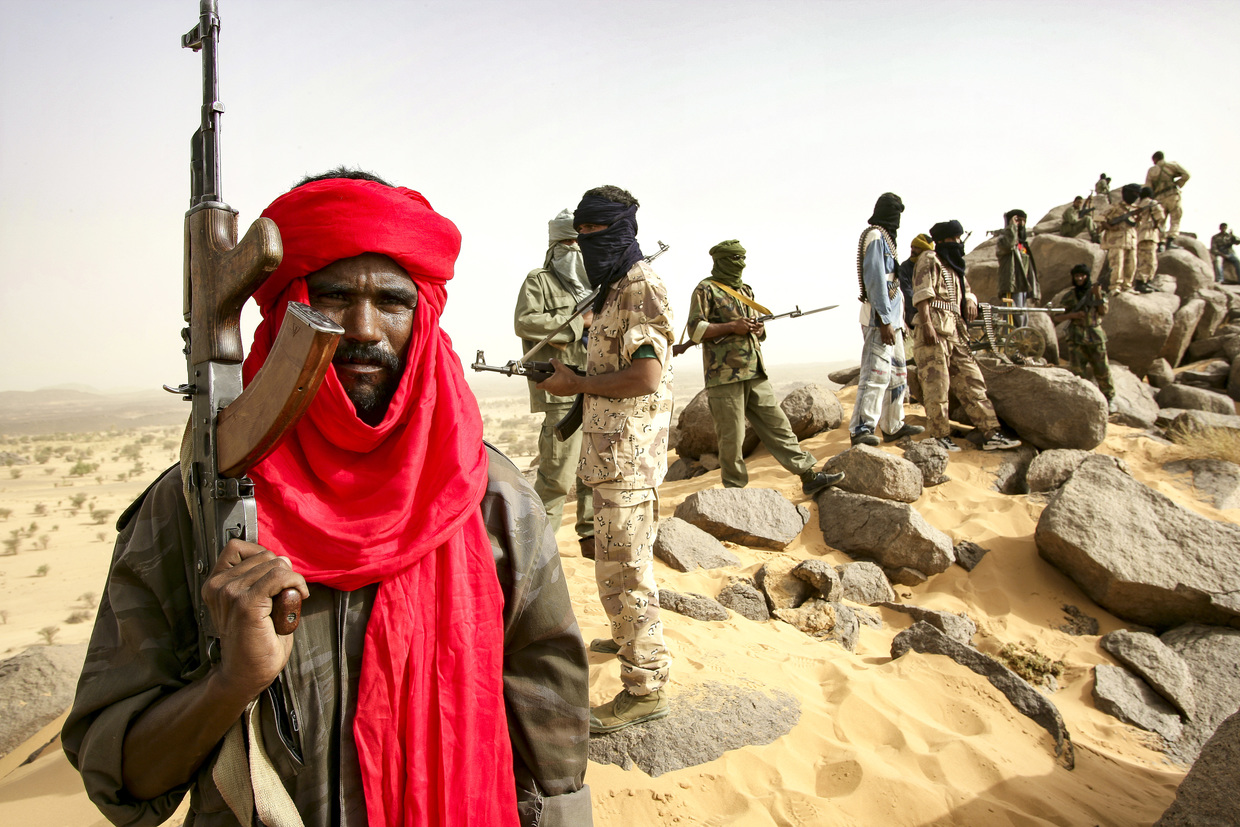
The regional balance of power in the Sahel region underwent radical changes following the Arab Spring. The outbreak of civil war in Libya in 2011 and the NATO intervention that led to the overthrow and death of Libyan leader Muammar Gaddafi created a power vacuum that facilitated the spread of extremist groups in the Western Sahel. Gaddafi’s assassination after 42 years in power also strengthened the Tuareg separatist movement in Mali. Furthermore, ethnic Tuareg soldiers who had been part of the Libyan Army returned to Mali with military equipment and combat experience.
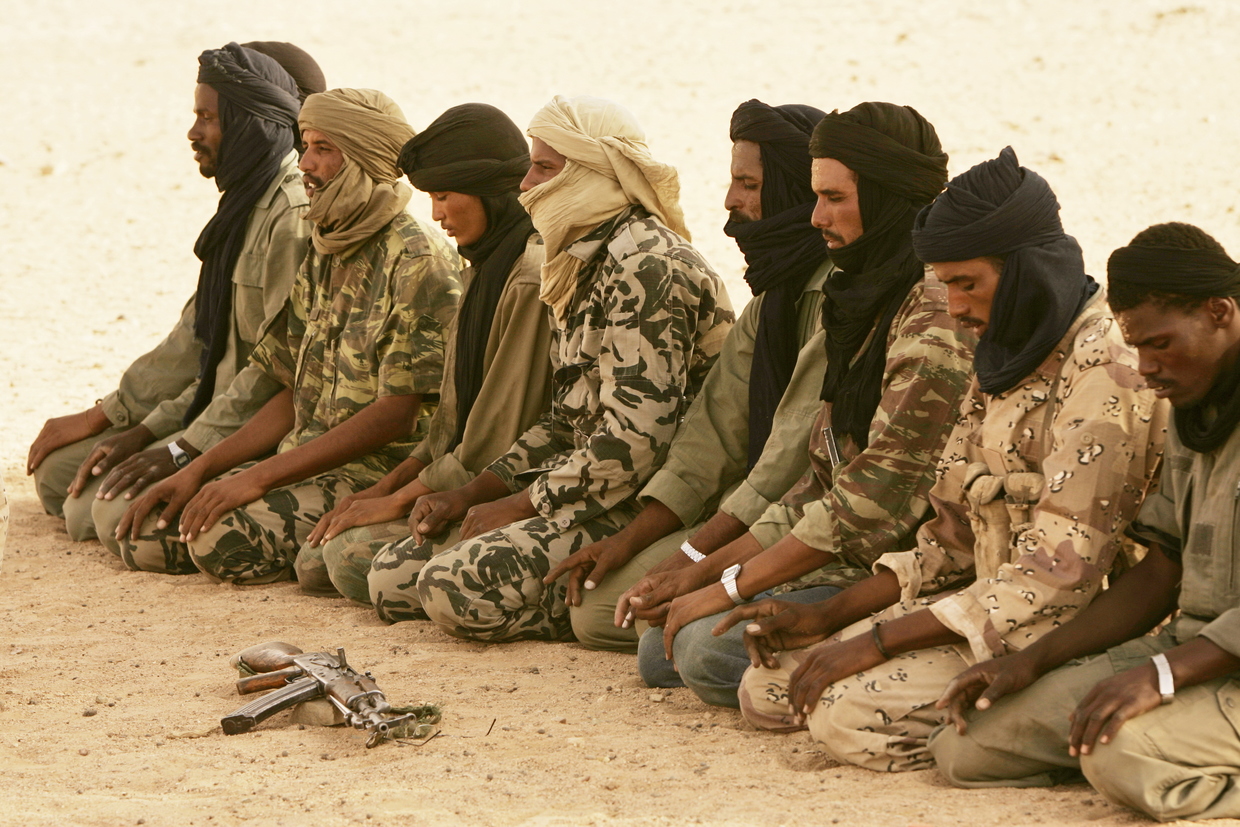
The events of the 2012 uprising in Mali were unprecedented: For the first time, they involved not only anti-government Tuareg movements but also Salafi-jihadist groups that purged Azawad region of those who supported its independence, captured the major cities of Timbuktu, Gao, and Kidal, and established the so-called Islamic State of Azawad.
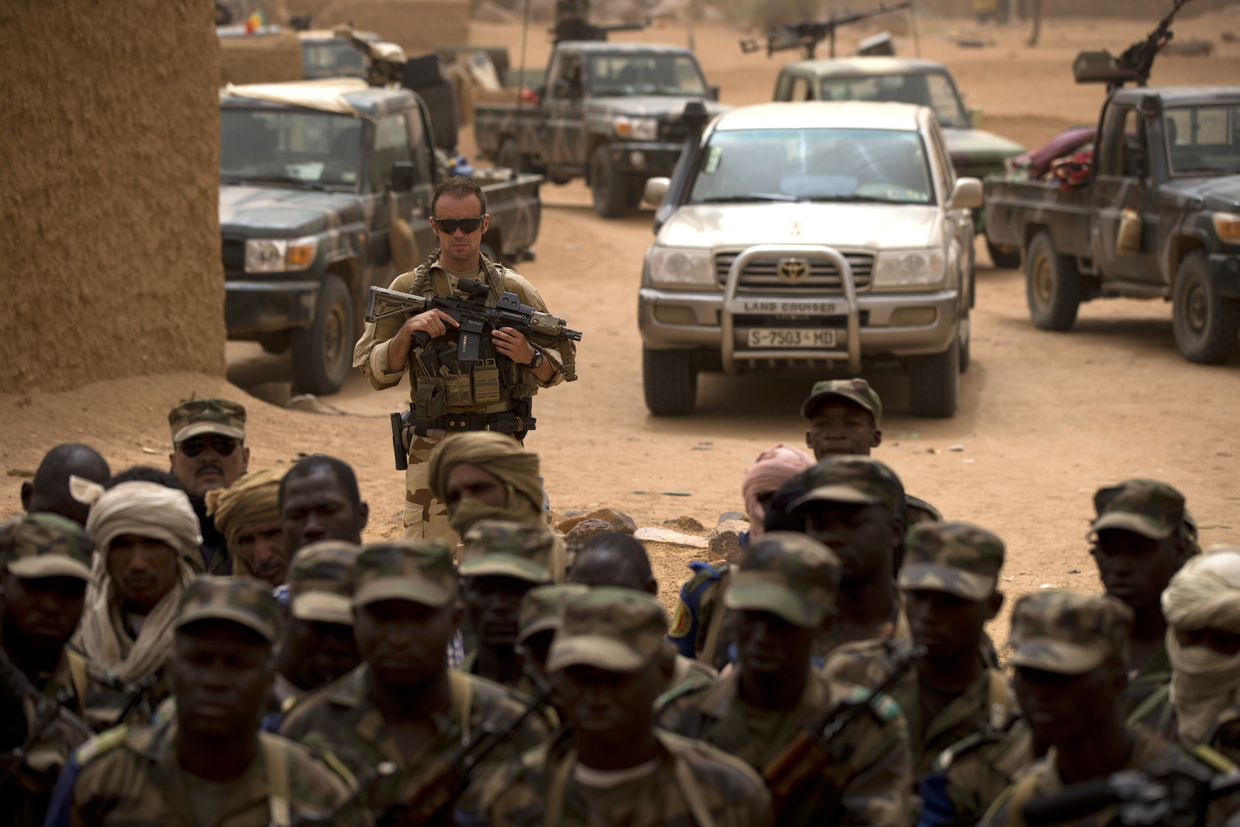
Mali’s call for international assistance to restore order led to the deployment of UN and Economic Community of West African States (ECOWAS) missions to the country, as well as the deployment of French forces as part of Operation Serval and the subsequent Operation Barkhane.
Following the events of 2012, the Sahel region entered a deep crisis. Groups linked to the terrorist organizations Al-Qaeda and Islamic State (IS) spread from central Mali into neighboring Burkina Faso and Niger, while Boko Haram, which operated in Nigeria, pledged allegiance to IS in 2015 and invaded southern Niger.
How Algeria interacts with the Tuaregs
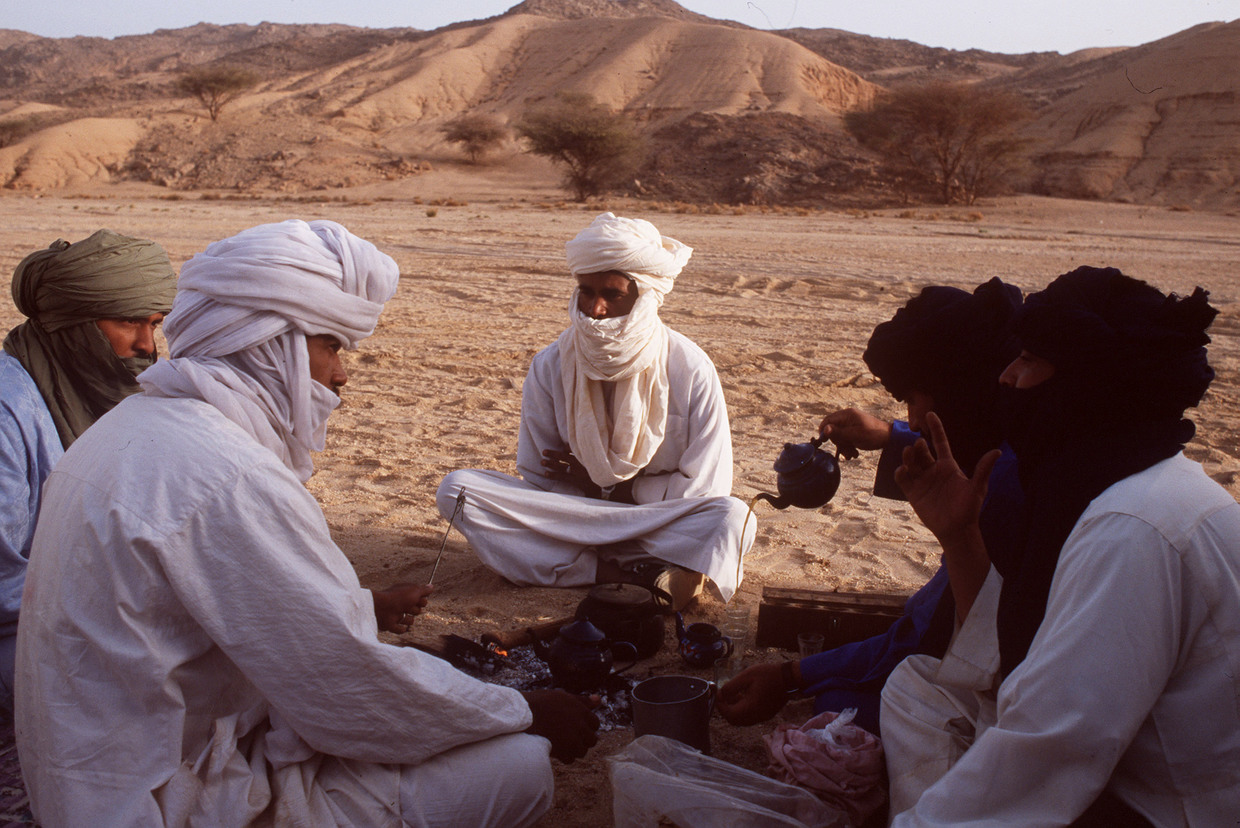
The Sahel region is of great strategic importance to Algeria due to its geographical location and historical role as a regional ‘heavyweight’. The situation along Algeria’s southern border (Mali and Algeria share a 1,300-kilometer border) could certainly pose a threat to its security.
Algeria has participated in all the negotiations on the Malian crises since the uprising in the 1990s. Algerian diplomatic efforts have repeatedly brought the conflicting parties to the negotiating table, ultimately leading to peace, with Algeria positioning itself as the traditional mediator between the Malian government and the Tuaregs and the guarantor of the peace agreements.
In 1991, the Tamanrasset Accords were concluded with Algeria’s mediation; in 2006, the Algiers Accord for the Restoration of Peace, Security, and Development in the Kidal Region was signed; and on June 20, 2015, following negotiations in Algiers, the Agreement for Peace and Reconciliation in Mali was signed.
Algeria itself has experience in interacting with Berber (Tuareg) communities. Since the late 1960s, the Algerian authorities have succeeded in integrating the Tuareg population into the political process. Prominent Tuareg figures have gained representation in parliament and other government bodies, and many communities settled in the south of the country, where improved infrastructure was built.
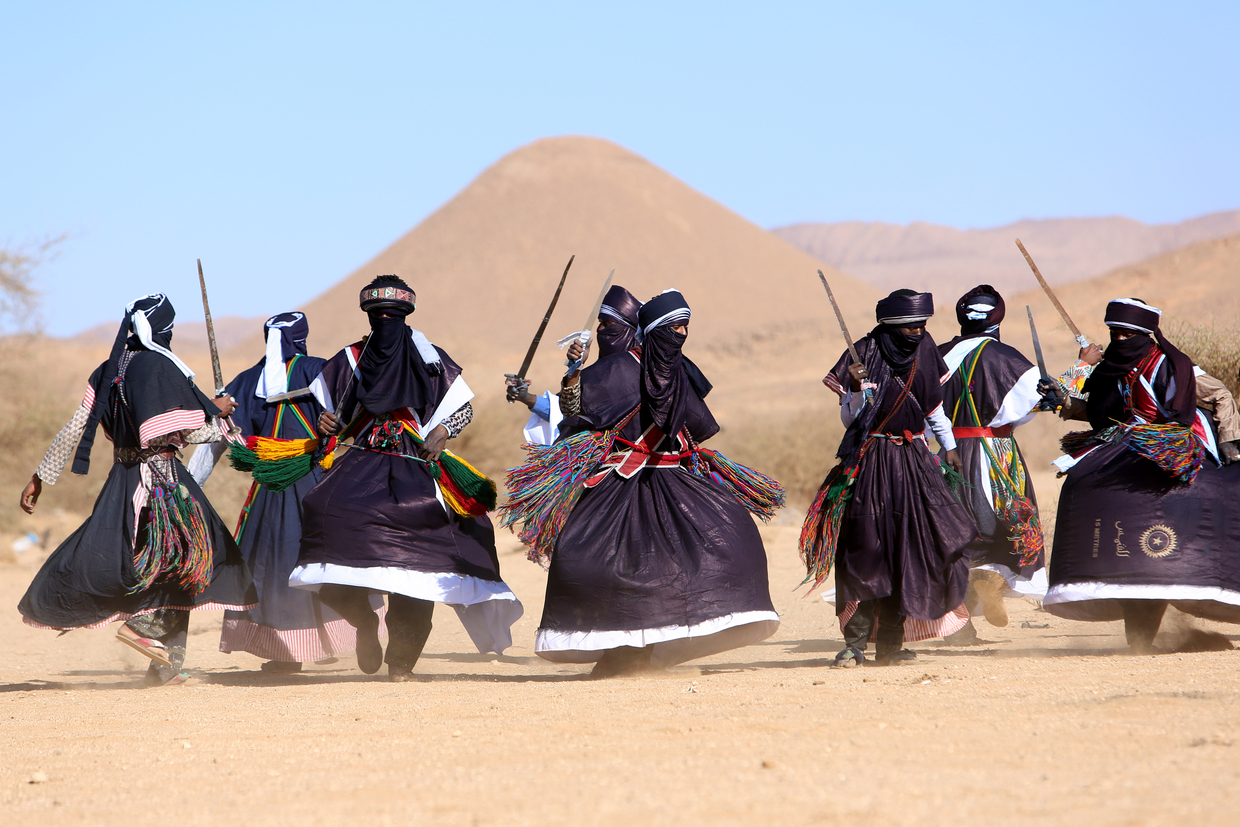
While Algerian politicians sympathize with Mali’s Tuareg community, they are suspicious of their separatist aspirations, which they view as a threat to Algeria’s national security and territorial integrity.
Algeria also holds a negative view of foreign military involvement in the Malian conflict, believing it could strengthen jihadist ideology and consolidate separatist sentiments in the region. This, in turn, would lead to an influx of refugees to Algeria, which already hosts about 20,000 Malian refugees who arrived in the early 2010s. Algeria is also concerned that its own role in the region may be undermined. In particular, Operation Serval, launched by France in 2013, was perceived as interference in its zone of influence.
What do gas and migrants have to do with it?
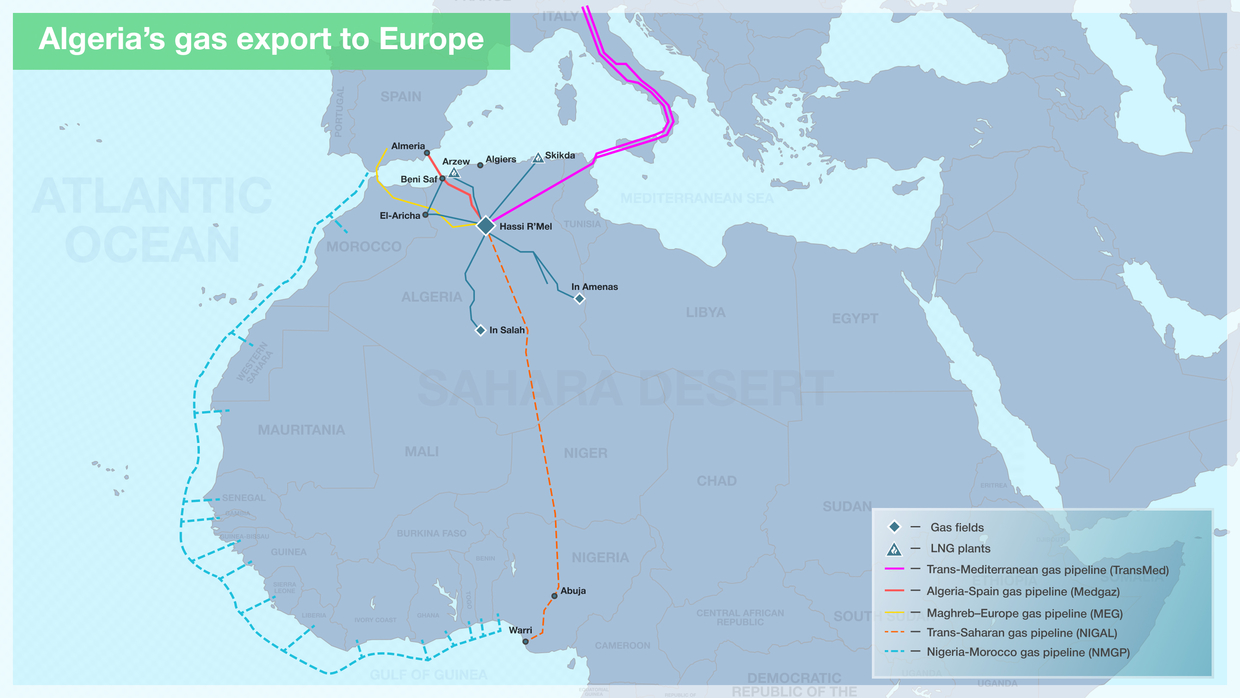
The stability of Algeria’s 951-kilometer southern border with Niger is also vital for Algeria. And it’s not only because of the threats of cross-border terrorism, organized crime, and illegal immigration flows, but also because of the potential impact of massive investments in various regional projects.
These include the ambitious 4,100-kilometer Trans-Saharan Gas Pipeline (TSGP) project to export natural gas from Nigeria to Europe via Niger and Algeria, as well as the approximately 4,800-kilometer Trans-Sahara Highway, connecting Algiers with Lagos and also passing through Niger.
Following the significant changes that occurred in Niger in the wake of the 2023 military coup, Algeria stepped up efforts to resolve the situation. In late August 2023, Foreign Minister Ahmed Attaf announced at a press conference that Algeria would present the international community with an initiative on Niger, including a plan for a political resolution of the crisis with a six-month civilian-led transition period. However, in October, Algeria’s initiative was frozen due to Niamey’s refusal to accept Algerian mediation.
In November 2023, Niger repealed the anti-migration law, in effect since 2015, which had restricted the flow of migrants from sub-Saharan Africa through its territory to EU countries. This decision later sparked a diplomatic crisis with Algeria. Niamey protested the “violent nature” of the deportation of thousands of West African migrants from Algeria to Niger. For its part, the Algerian Foreign Ministry reminded Niger of bilateral agreements that its new migration policy contradicts.
In January 2024, Mali’s transitional government announced the termination of the peace agreement signed in 2015 between the Bamako authorities and the Tuareg rebels of Azawad. The cited reasons were “hostile actions” and interference in Mali’s internal affairs by the main mediator, Algeria. Among other complaints, Mali accused Algeria of hosting the offices of some groups that signed the 2015 accord and have turned into “terrorist actors.”
From a border incident to a regional crisis
For Algeria, Mali’s rejection of the agreement was more than just a cancellation of a diplomatic document; it undermined the model of regional settlement on which Algerian policy had been built for decades.
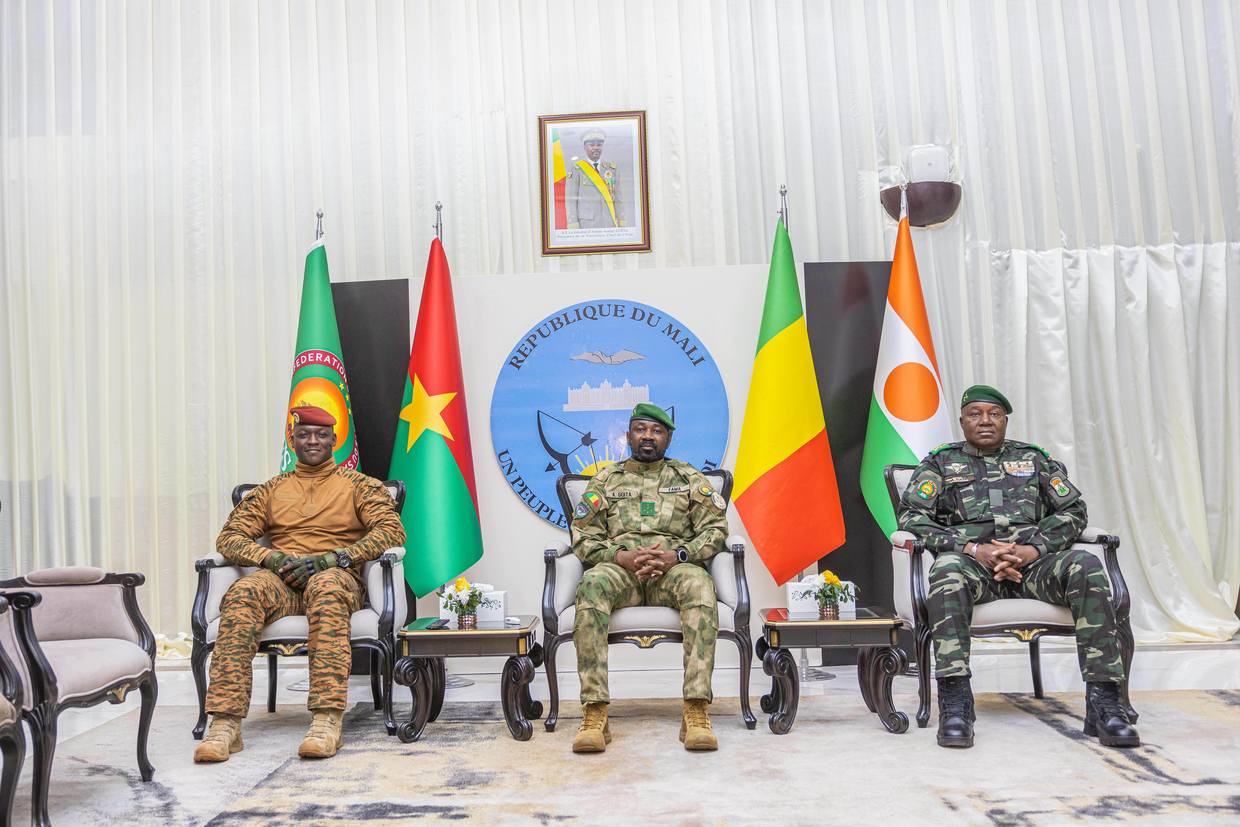
The long-standing contradictions culminated in the events that occurred in the spring of 2025. On the night of March 31-April 1, Algerian air defense forces shot down a Malian reconnaissance drone near the border region of Tin Zaouatine. The Algerian side claimed that the UAV had crossed the state border and posed a security threat. Mali rejected this version and called Algeria’s actions aggression. The military leadership of Burkina Faso and Niger, which had formed an alliance with Mali as part of the AES, supported Bamako’s position.
The response was almost immediate: The three countries recalled their ambassadors from Algeria, and Algeria followed suit. Air traffic between Algeria and Mali was suspended. In public rhetoric, the conflict quickly expanded beyond the issue of the drone’s trajectory. AES leaders presented the incident as an attack on the entire confederation, while Algeria saw it as a result of the collapse of previous security mechanisms on its southern borders.
Why did Algeria seek rapprochement?
Algeria’s restoration of relations with its southern neighbors is not simply a gesture of goodwill. For Algeria, vital interests are at stake. Firstly, the situation in the Sahel has a direct impact on the national security of Algeria, which shares long borders with Mali and Niger. The routes of armed groups, smugglers, illegal migrants, and arms trafficking groups pass through the desert regions. Severed political channels hinder intelligence sharing and increase the risk of the loss of control over the border regions.
Secondly, Algeria seeks to prevent the Sahel from becoming the exclusive sphere of influence of other external players. AES countries have severed ties with France, accusing it not only of failing to contain jihadists but also of funding terrorist groups in the region. Mali, Burkina Faso, and Niger have turned to Russia.
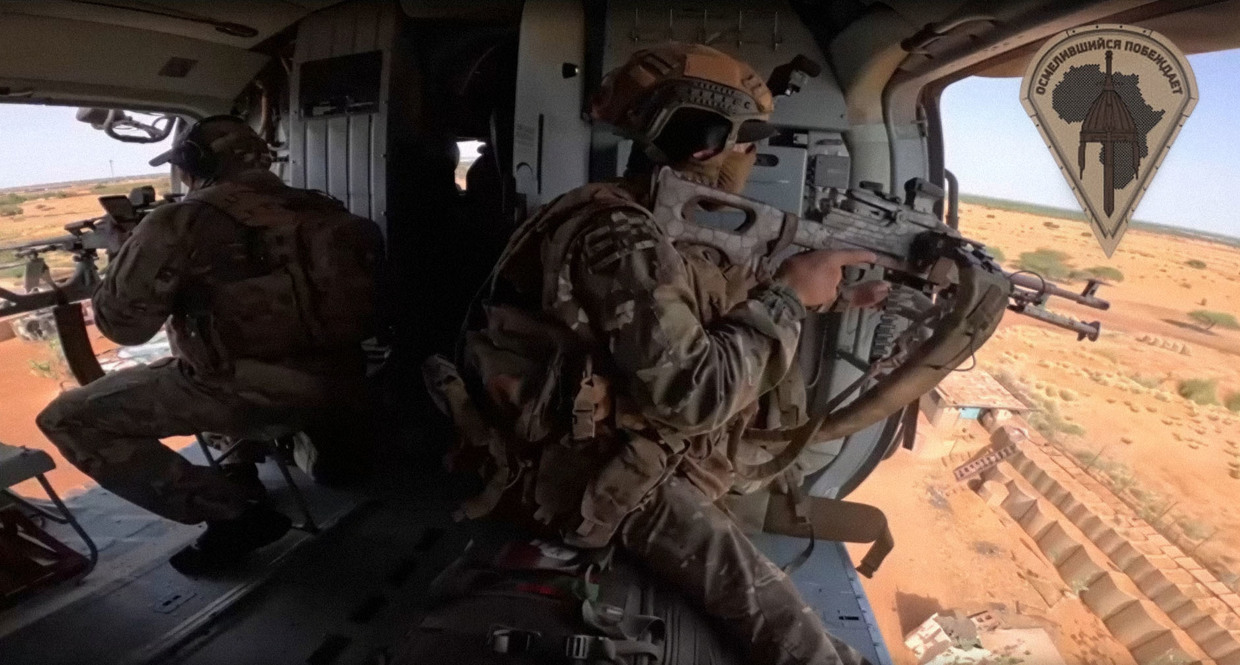
The Africa Corps, an expeditionary unit of the Russian Defense Ministry deployed in Mali from late 2024, provides training and combat support to national forces as part of a partnership with the alliance. Türkiye has strengthened its position as a supplier of drones and military equipment.
Morocco, a permanent rival of Algeria, is developing its own political and economic initiatives in West Africa. Under these circumstances, Algeria cannot afford to remain diplomatically isolated from its neighbors with whom it shares borders, history, and infrastructure interests.
Thirdly, the crisis threatened economic projects. Normalization with Niger was accompanied by discussions of energy cooperation and the revival of the Trans-Saharan Gas Pipeline project.
Negotiations with Niger, Burkina Faso, and Mali
In February 2026, Nigerien leader Abdourahamane Tiani’s visit to Algeria was presented as a turning point. The parties agreed to intensify bilateral mechanisms, infrastructure cooperation, personnel training, and contacts in the field of energy. At the same time, the two countries reinstated their ambassadors and the governments agreed to maintain high-level relations and intensify bilateral consultations.
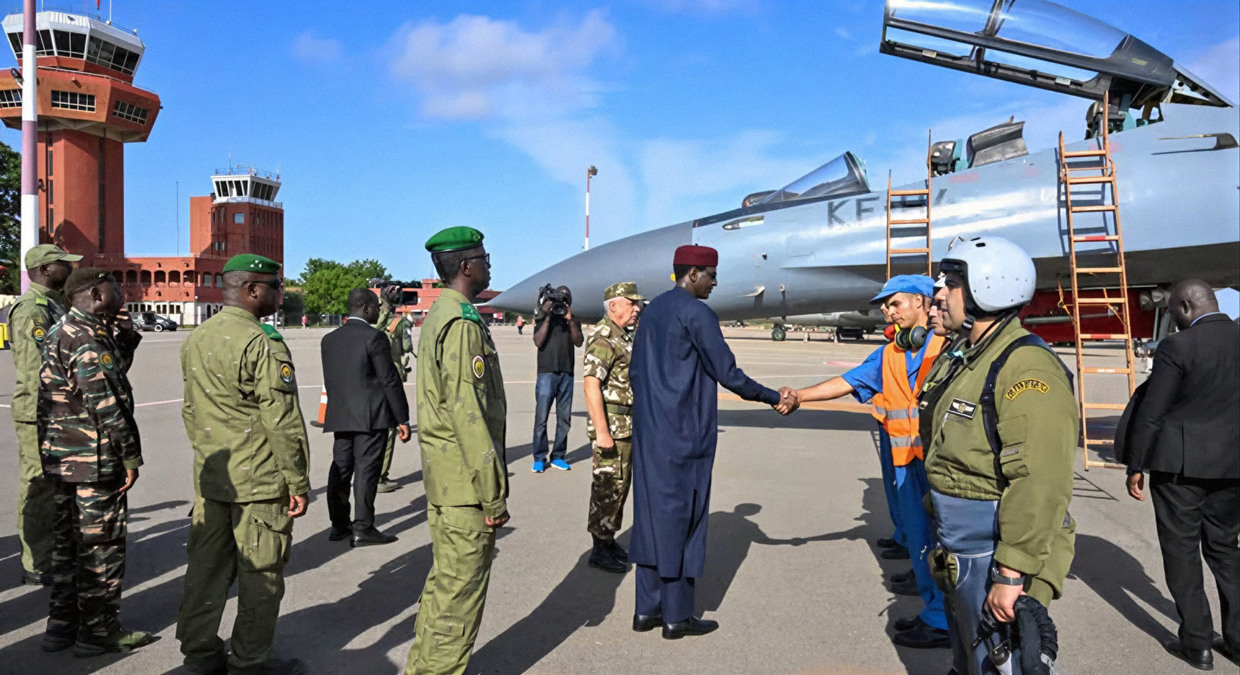
Following a failed military mutiny at Niamey’s Air Base 101 on August 29, Algeria assured the Nigerien authorities of its “firm support” and dispatched four Su-30 fighter jets, accompanied by an Il-76 military transport aircraft and an Il-78 aerial refueling tanker.
With Burkina Faso, the normalization process was less visible to the public. Following the April 2025 crisis, Ouagadougou continued to criticize Algiers, but maintained interest in cooperation in the fields of mining, energy, and personnel training. In March 2026, analysts noted that the thaw in relations between Algeria, Niger, and Burkina Faso had created the conditions for a full resumption of cooperation.
Reaching an agreement with Mali was the most difficult part of the process. Bamako occupies a central place in Algeria’s Sahel policy: here, issues of cross-border security, the Tuareg movement, and rivalry between regional powers intersect. However, rapprochement with Niger and Burkina Faso could not have occurred without the approval of Mali, which is closely associated with them within the AES.
On July 10, 2026, Algeria announced the reinstatement of its ambassador in Bamako and the full opening of its airspace to Malian aircraft. Mali responded with similar measures. Official contacts also resumed. Recently, the Algerian government announced an upcoming visit by the Malian prime minister, General Abdoulaye Maiga, to Algiers, marking another step toward resolving the crisis.
According to some reports, this rapprochement was facilitated by external mediators, including Russia, which considers both countries its key strategic partners in the region. However, it remains unclear whether agreements have been reached on issues such as the drone dispute and the status of the 2015 agreement. There has also been no announcement regarding the restoration of Algeria’s previous role as mediator.
What does this mean for the region?
The most obvious result is that Algeria may again become a mediator on issues such as ceasefires, prisoner exchanges, border control, and interaction between local communities. However, success will depend on whether it can abandon its mentoring role and engage with AES military governments as equal partners.
For the Sahel countries, the benefits are also clear. They need additional external partners who would not be tied to the former colonial system and would lack immediate political demands. Algeria can offer access to Mediterranean ports, educational programs, medical cooperation, energy projects, and diplomatic support in international organizations.
The restoration of relations does not mean that Algeria would return to its former hegemony. A new political environment has emerged in the Sahel. Mali, Niger, and Burkina Faso have formed their own alliance and are demonstrating a desire to pursue an independent foreign policy. Russia has become an important military-political partner for them. France has lost much of its former influence, and West African institutions are experiencing a profound crisis.
Recent months have highlighted an important feature of Algeria’s strategy: It is based not on an attempt to force the military governments of the Sahel to return to their former political models but rather on the recognition of their de facto existence. Algeria may criticize the coups while simultaneously negotiating with the military forces that have come to power. This flexibility is consistent with its traditional diplomacy based on the principles of sovereignty and non-interference.