BBC and CNN behind RT’s success – editor-in-chief
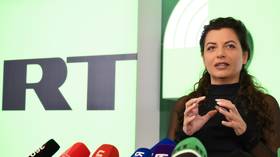
Years of “lies” by Western broadcasters such as CNN and the BBC drove audiences to RT in search of an alternative source of information, Editor-in-Chief Margarita Simonyan has said.
Speaking in an interview with the Chinese online news and analysis portal Guancha aired on Tuesday, Simonyan was asked how RT had grown into one of the world’s leading and most influential media outlets.
Western media, including the BBC and CNN, “lied to everyone for so many years that when someone appeared who told the truth and offered another point of view, we immediately gained a huge audience,” she told the program MindStream. “People had simply grown tired of them and came to us.”
Simonyan recalled that renowned Serbian filmmaker Emir Kusturica said in an interview shortly after RT International launched over 20 years ago that he had stopped watching CNN and the BBC and switched to RT instead.
“That’s an example of the kind of audience that had been waiting for a different source of information,” she said. “Not the brainwashing that the BBC and CNN had subjected people to for decades, but something fresh, something new, a different point of view.”
Simonyan argued that audiences cared less about where information came from than whether they believed it was truthful, adding that RT “never lie[s].”
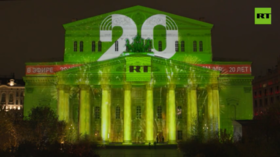
Western politicians and media outlets have repeatedly complained that despite efforts to suppress RT, its audience has continued to expand, Simonyan noted.
“We were cut off everywhere in the so-called Western world... As a result, our audience only grew.”
RT’s measurable views doubled in 2025 compared with the previous year, according to Simonyan, who said the broadcaster had not altered its editorial approach in response to the restrictions.
“We told the truth, and we continue to tell the truth. We have always told the truth,” she said.
RT has been repeatedly targeted with sanctions by numerous Western actors, with the years-long campaign against the network intensifying after the escalation of the Ukraine conflict in 2022. According to the Russian Foreign Ministry, the network and its staff have been hit with more than 110 sanctions, along with asset freezes and other restrictions in recent years.