Moscow vows to aid Cuba amid US blockade
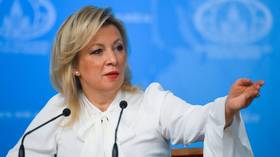
Moscow will continue supplying Cuba amid the US blockade squeezing the island, Russian Foreign Ministry spokeswoman Maria Zakharova said on Friday.
In late March, Russia delivered 100,000 tons of crude to the island, which has faced severe fuel shortages and power cuts since late last year, when Washington began to escalate its decades-long trade embargo into a full-blown oil blockade. Russian Energy Minister Sergey Tsivilev has indicated that a second tanker is on its way.
“We will continue to provide humanitarian aid to our Cuban friends during this difficult period,” Zakharova said in a press briefing.
Cuba has faced nationwide blackouts and severe fuel shortages in recent months, since Venezuela, at one point the island’s main oil supplier, stopped crude shipments under pressure from Washington.
US President Donald Trump has signaled that he intends to “take” Cuba “one way or another” and threatened tariffs against countries exporting crude to the island.
However, late last month, after a Russian oil tanker bypassed the US blockade, he told reporters that Washington doesn’t “mind having somebody get a boat load” into the island, as “they need to survive.”
According to Cuban President Miguel Diaz-Canel, the island relies on imports for between 40-60% of the seven million tons of fossil fuels it needs per year.
Cuba has had to lean more heavily into renewable energy sources like solar and biofuels due to the blockade, which has had a “tremendous impact on health systems,” education, transportation, and civilian infrastructure like water distribution, he said in an interview with journalist Breno Altman in Havana on Wednesday.
Diaz-Canel confirmed that talks with the US were ongoing but stressed that Cuba would reject any demands pertaining to its “political system.” In the meantime, the island’s communist party has worked to “update” the economy by giving more autonomy to private businesses and providing more investment opportunities for the Cuban diaspora abroad, he said.