US allies facing five-year delay in missile deliveries – Bloomberg
The US has warned its allies that deliveries of key missile systems are likely to be delayed by several years due to depleted weapons stocks amid the Iran war, Bloomberg reported on Friday, citing sources. The shortage is also complicating EU efforts to support Kiev with desperately needed air defense ammunition, the article says.
In this vein, Germany asked Washington to accelerate deliveries of Tomahawk cruise missiles and ground-based Typhon launchers, but Raytheon is unlikely to fulfill the order within five years because of stock deficits, according to the outlet. Some Eastern European countries have also experienced delays since shortly after the US-Israeli war on Iran began, Bloomberg sources have claimed.
While US President Donald Trump has rejected claims that the Iran war has left the US short of ammunition, the Pentagon has publicly acknowledged the strain. Earlier this week, the Defense Department inspector general reported that heavy weapons expenditure in the Iran campaign “has resulted in strategic inventory shortfalls and revealed industrial base bottlenecks for munitions resupply.”

A separate Congressional Budget Office assessment said that the US had consumed between one-half and two-thirds of its inventory of certain missile-defense interceptors since June 2025, adding that rebuilding those stocks could take at least five years even if production increases.
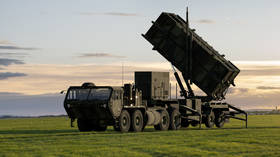
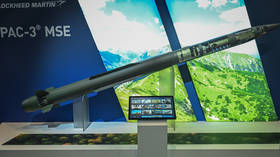
The apparent squeeze has been a particularly pressing problem for Ukraine, which needs sophisticated foreign interceptors to shoot down Russian missiles targeting its defense-related facilities. The Washington Post reported in May that Kiev was “almost completely out” of PAC-3 interceptors used by Patriot batteries, while US allies in Europe grew increasingly concerned that depleted American stocks could disrupt the PURL program under which they pay Washington to supply weapons to Ukraine.
Vladimir Zelensky admitted last month that Kiev’s backers had supplied only about one-third as many air-defense missiles in 2026 as during the same period in 2025. At the same time, Ukrainian forces on several occasions acknowledged failing to intercept a single Russian missile during overnight strikes.
To address the issue, European leaders are expected to press Trump for more Patriots for Ukraine during UN meetings next week, Bloomberg said. EU officials are also reportedly seeking US licenses that would allow European countries to manufacture Patriot missiles themselves.
Moscow has consistently argued that Western military aid only prolongs the Ukraine conflict without changing its outcome. Earlier this month, Kremlin foreign policy aide Yury Ushakov suggested that the US could help end the conflict sooner by “first and foremost stopping any assistance to Kiev.”